This article is not a supplier list and it does not rank exporters. It gives international buyers a practical way to review sesame seeds offers from Egypt before price becomes the only decision factor. The safer buying path starts with a written specification: what product is required, which quality level is expected, how the sample represents the lot, and how packing and documents will be checked before shipment.
Short answer for buyers
If you are considering sourcing sesame seeds from Egypt, start by requesting a representative sample or detailed sample evidence tied to a specification sheet. A catalog photo or a short product name is not enough to support a purchase decision. The practical sequence is simple: define the use case, freeze the specification, review the sample, document packing, then compare offers. Price matters, but it should come after the offer is comparable.
What to define before comparing offers
For this quality and packing guide, do not ask only for sesame seeds. Explain the destination market, intended use, packing format, pilot order size, and the sample evidence you need. Serious suppliers can respond to clear buyer instructions. A compact specification table prevents misleading comparisons. Two offers can look similar on price while using different grades, packing assumptions, or delivery responsibilities.
| Item | What to request | Why it matters |
|---|---|---|
| Specification | visible cleanliness and foreign matter | Prevents non-equivalent comparisons |
| Sample | close sample photos | Connects the decision to visible evidence |
| Packing | sample-to-lot traceability | Affects storage and receiving checks |
| Documents | Commercial invoice, packing list, and official checks where needed | Reduces pre-shipment discrepancies |
Quality evidence to request
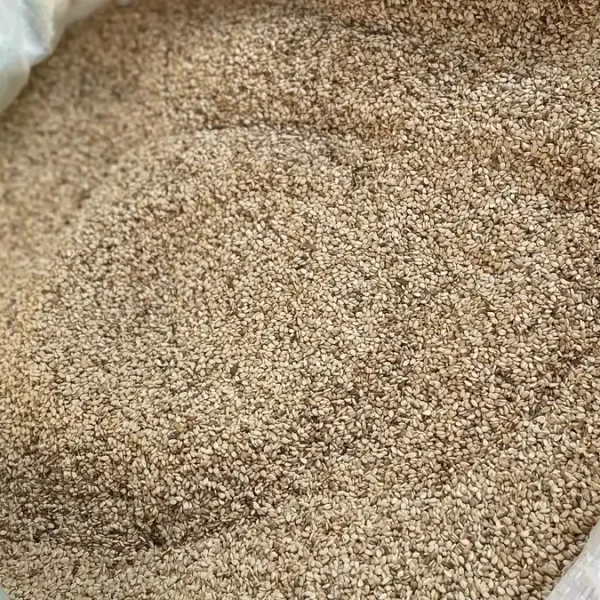
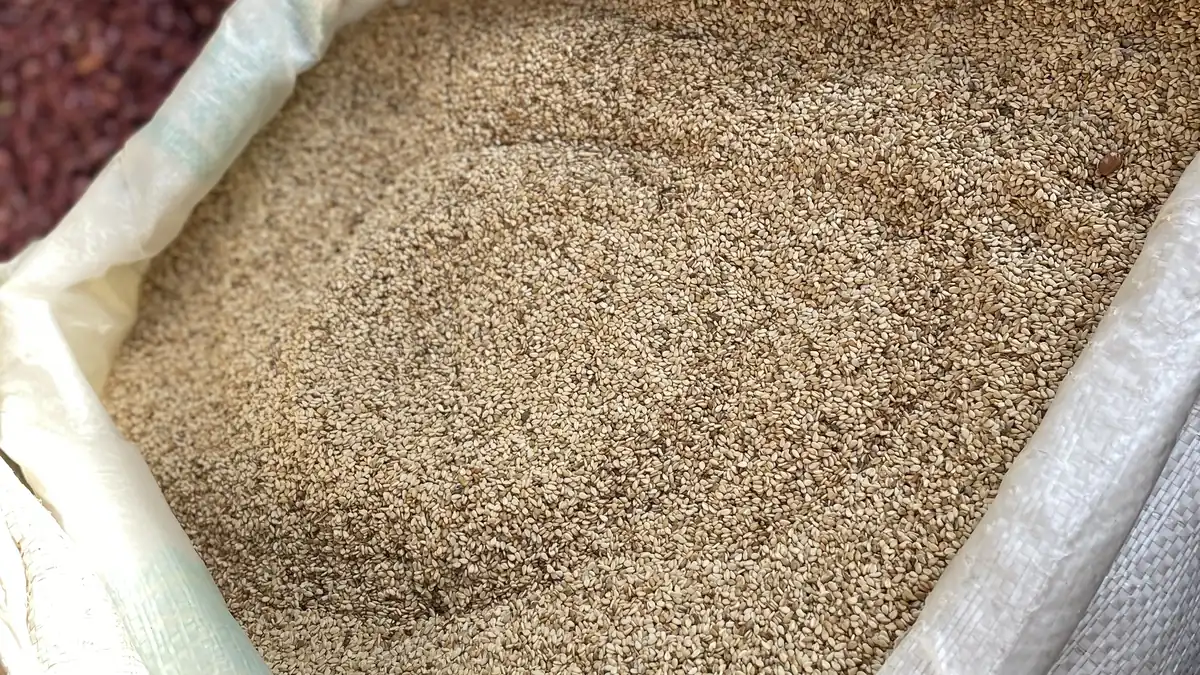
Ask for practical evidence instead of broad promises. Evidence does not mean an unsupported badge or a vague certificate; it means material that helps the buyer compare the sample, lot, packing, and documents. Useful evidence can include: close sample photos, short packing video when useful, bag weight statement, confirmation that lots are not mixed without notice. If the product or destination is regulated, ask a qualified local importer, broker, or official source to confirm the destination requirements before approving the order.
- close sample photos
- short packing video when useful
- bag weight statement
- confirmation that lots are not mixed without notice
Common risks to reduce
In many sourcing projects, the largest risk is not a dramatic failure; it is ambiguity. Every undefined detail can become a later dispute about quality, packing, quantity, or responsibility. Do not treat an article or a supplier message as a guarantee of shipping cost, customs clearance, delivery time, or tariff treatment. Use this page as a buyer checklist, not as legal or customs advice.
- buying by variety name only
- not checking visible foreign matter
- ignoring bag condition
- accepting a lot that differs from the sample
How to write a safer RFQ
Write the RFQ as a short structured brief, not as a broad request such as "send your best price for sesame seeds." Start with use case, then specification, sample evidence, packing format, and the response format you expect from the supplier. Ask the supplier to separate the product quote, packing assumptions, minimum order quantity, indicative preparation time, available documents, and items that need later confirmation. Separating those points does not mean accepting them; it gives the buyer a basis for comparison. Keep a copy of every answer and revision. If the sample, packing, carton weight, or loading method changes, request written confirmation again. A disciplined buyer is not making the deal complicated; the buyer is making the deal reviewable.
- intended use
- written specification
- sample evidence
- packing method
- required documents
- preferred response format
What to review when the goods arrive
Supplier selection does not end the quality process. At receiving, compare the delivered goods against the approved sample, written specification, packing agreement, and any loading photos or document pack shared before shipment. If something differs, document it calmly with photos, notes, lot references, carton markings, and dates. Do not rely on memory or verbal messages. Organized evidence helps with supplier review, repeat-order decisions, and improvements to the next specification.
Useful internal next steps
After defining this specification, compare the same logic with related Import Egypt buying guides. Same-language internal links keep the buyer journey focused without mixing unrelated search intents.
- [Egyptian textiles and garments: a sourcing brief for international buyers](/egyptian-textiles-and-garments-a-sourcing-brief-for-international-buyers/)
- [Sourcing marble, granite, and ceramics from Egypt: sample and specification guide](/sourcing-marble-granite-and-ceramics-from-egypt-sample-and-specification-guide/)
- [Egyptian pulses and legumes: a buyer guide to samples, quality, and export preparation](/egyptian-pulses-and-legumes-a-buyer-guide-to-samples-quality-and-export-preparation/)
Practical conclusion
Sourcing sesame seeds from Egypt is safer when the buyer starts with specification discipline rather than unsupported claims. Request sample evidence, document the offer, review packing and documents, and avoid supplier, price, or clearance promises that cannot be verified. The next practical step is to send a short RFQ that includes use case, specification, sample evidence, packing requirement, and the expected response format. That makes the commercial conversation easier to audit.
FAQ
Does this article recommend suppliers?
No. It explains how to review offers and evidence without ranking or naming suppliers.
Should buyers choose by price first?
No. Define the specification, sample, and packing before comparing price.
Does this replace destination-country checks?
No. Use a qualified local adviser, broker, importer, or official source for regulated requirements.
What is the first practical step?
Prepare an RFQ that states use case, specification, sample evidence, packing, and required documents.