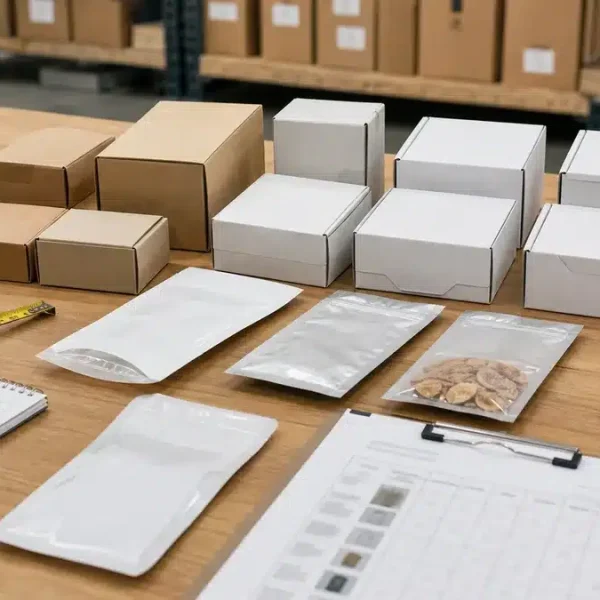
Comparing product samples consistently prevents the best-looking photo from becoming an unsafe buying decision. Samples should be reviewed with the same light, the same questions, and the same measurement points where possible.
This guide helps a buyer organize sample comparison before importing from Egypt without making quality promises or supplier guarantees. The aim is to separate what is seen, what can be measured, and what still needs written confirmation.
Short answer for buyers
Do not compare a sample against missing information. Lock the specification first, then review appearance, size, material or component, packing, and whether the result can be repeated in production.
Why samples need a stable method
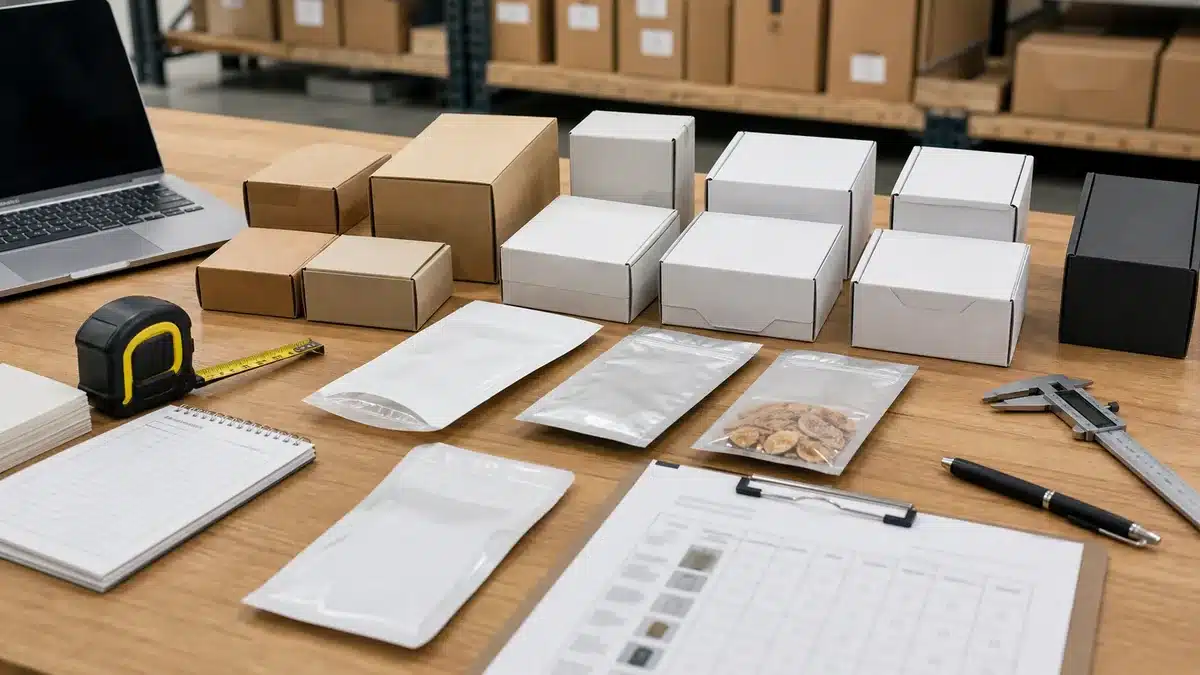
A sample may look good because it was photographed well or because it arrived under conditions different from real shipment. Do not make the review visual only. Connect every note to the specification: size, color, material, packing, or real use point.
Consistency matters more than impression. If one sample is reviewed on a clean desk and another is reviewed inside a damaged carton, the buyer may be comparing presentation rather than product. Keep photos, measurements, and notes as consistent as possible.
Compare samples without bias
A useful review does not start after every offer arrives. It starts before questions are sent. Decide what you will compare, then ask each supplier for the same type of answer. This keeps response speed separate from evidence quality.
If a supplier is strong on one point and weak on another, do not accept or reject the supplier immediately. Record the gap and ask one follow-up question that shows whether the issue is real or only poorly explained.
| Check point | What to record | When to ask again |
|---|---|---|
| Size or weight | actual value or range | when it differs from the specification |
| Material or component | supplier’s stated description | when evidence or reference sample is missing |
| Packing | strength and fit for the journey | when damage or excess void is visible |
| Repeatability | whether the result can be repeated | if the sample looks handmade or exceptional |
How to connect the sample to production
Give the approved sample a simple number or description, then ask the supplier to confirm that production will follow that same version. If the sample is handmade or not taken from normal production, that should be written clearly.
Every change after the sample needs a small record: what changed, why it changed, and whether a new photo or sample is needed. This record matters more than the word approved because it defines what was actually accepted.
Evidence that helps without overclaiming
Ask for evidence that fits the size of the decision, not a large file that slows the process. Useful evidence explains the working method without exposing customer secrets or sensitive data.
- sample photos from fixed angles
- measurements written beside the specification
- packing notes
- confirmation whether the sample is production-made or a prototype
- list of required changes before production
Trust limits before payment or production
Even when the result looks good, it should not replace a suitable sample, written specification, or document review. The goal is to reduce ambiguity, not create certainty from one message.
Keep a copy of the scorecard or checklist inside the order file. If specification, quantity, or packing changes later, you will need a reference showing why a supplier was kept, removed, or asked for follow-up.
Red flags worth pausing for
One red flag does not always mean rejection, but it does mean the decision needs one more question, clearer evidence, or written confirmation before a financial commitment.
- comparing samples with different specifications
- relying on one photo only
- not recording when the sample arrived
- accepting a major change without a new sample
- ignoring packing because it is not the product itself
Practical step before sending the request
Before approving a sample, write what was accepted and what was not accepted in points. Attach a photo or measurement for each important item and ask the supplier to confirm which version moves to production.
Useful internal next steps
These related Import Egypt guides help keep the buyer journey focused:
- Check a supplier’s claimed export experience
- Validate customer references without treating them as proof
- Control specification changes after sample approval
- Evidence to request for a production schedule
Practical conclusion
A good import decision does not come from a long file alone. It comes from stable questions, suitable evidence, and clear trust limits. Use this checklist as an organizing tool, then connect it to the sample, specification, and document review.
FAQ
Do I need a new sample after every change?
Not always, but any change affecting size, material, packing, or buyer acceptance needs suitable evidence.
Are sample photos enough?
Photos help, but they do not replace measurements or a physical sample when the decision carries higher risk.
Is this a quality guarantee?
No. It is a buyer review method, not a guarantee of production outcome.